Construction
Construction is the process of building houses, roads, bridges, and other structures. It helps develop infrastructure and improve people's lives.
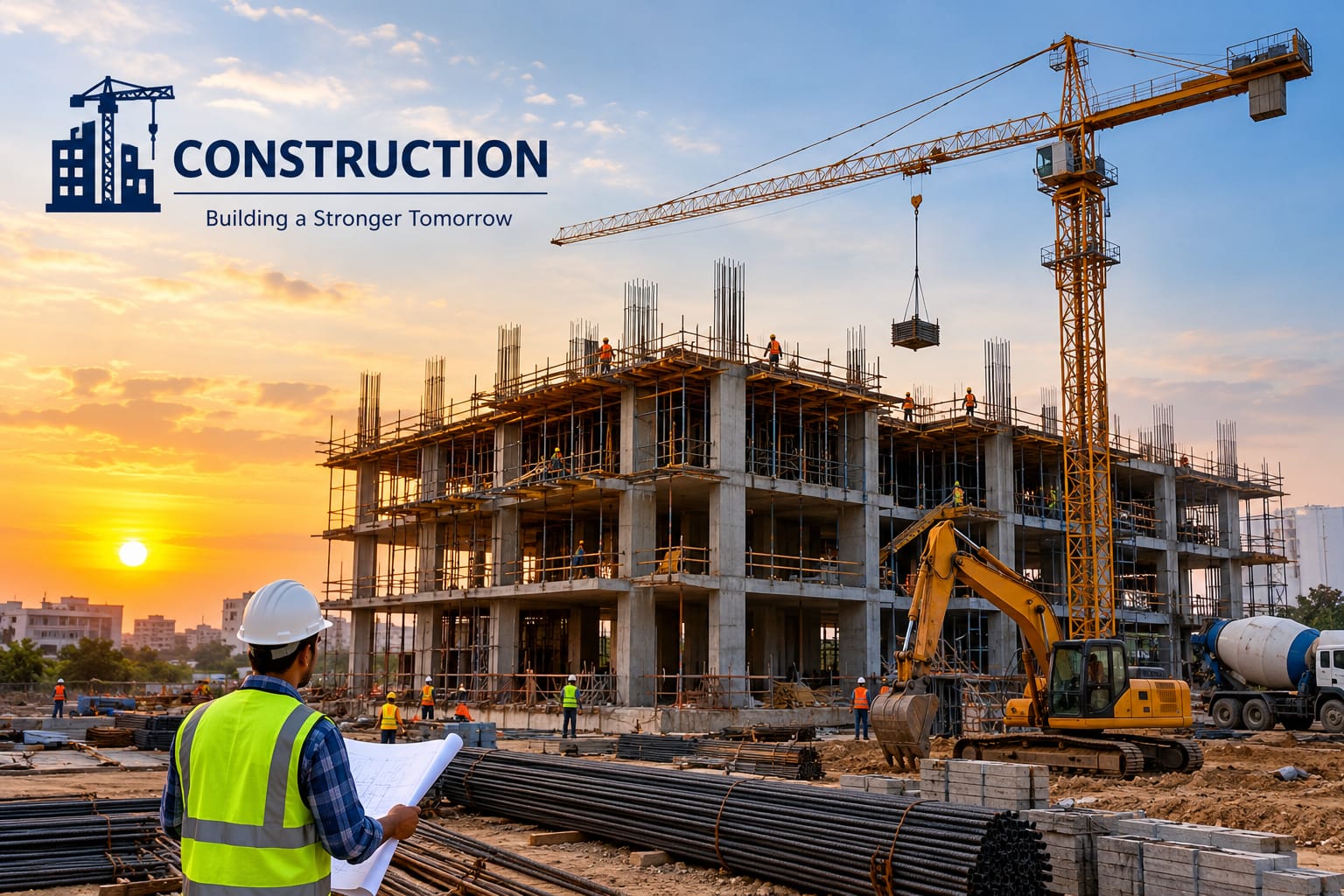
Our solutions for Construction
Construction plays an important role in the development of a country. It includes building houses, roads, bridges, schools, hospitals, offices, and other infrastructure. However, the construction industry faces several challenges, such as high costs, delays, material wastage, worker safety issues, and environmental pollution. These problems can be reduced by adopting effective solutions and modern construction methods. 1. Use High-Quality Materials The use of high-quality construction materials is essential for building strong and durable structures. Cement, steel, bricks, sand, and concrete should meet the required quality standards. Regular quality checks can help prevent structural damage and improve the lifespan of buildings. 2. Adopt Modern Technology Modern technology can make construction work faster, safer, and more efficient. Tools such as construction management software, drones, 3D modelling, and Building Information Modelling (BIM) help in planning, designing, and monitoring projects. Advanced machinery can also reduce manual effort and improve productivity. 3. Improve Worker Safety Worker safety should be a top priority at every construction site. Workers should wear helmets, safety shoes, gloves, and other protective equipment. Safety training, warning signs, proper scaffolding, and regular equipment inspections can help prevent accidents. Employers should also provide clean drinking water, first aid, and suitable working conditions. 4. Reduce Construction Costs Construction costs can be controlled through proper planning and budgeting. Before starting a project, the required materials, labour, equipment, and time should be estimated carefully. Comparing suppliers, avoiding unnecessary purchases, and preventing material wastage can reduce expenses. Regular monitoring also helps keep projects within budget. 5. Complete Projects on Time Construction delays can increase costs and create difficulties for clients. A clear project schedule should be prepared before work begins. Tasks should be assigned according to workers' skills and available resources. Regular progress meetings and proper coordination between engineers, contractors, and workers can help complete projects on time. 6. Protect the Environment Construction activities can produce dust, noise, waste, and air pollution. These effects can be reduced by using eco-friendly materials, controlling dust, recycling construction waste, and managing water efficiently. Energy-efficient lighting, natural ventilation, rainwater harvesting, and green building designs can also make buildings more sustainable. 7. Reduce Material Waste Proper storage and careful use of construction materials can prevent unnecessary waste. Materials should be ordered according to actual requirements and protected from rain, moisture, and damage. Reusable materials should be separated from waste, while recyclable materials should be sent to suitable recycling facilities. 8. Improve Planning and Communication Good communication between architects, engineers, contractors, suppliers, and clients is essential for successful construction. Clear drawings, accurate measurements, regular inspections, and proper documentation help avoid mistakes and rework. Everyone involved should understand their responsibilities and project requirements.